
Used Old Ford Escape: What Different Exhaust Colours Mean
The exhaust smoke from your Ford Escape tells an important story about the health of your vehicle. Like a doctor interpreting symptoms, understanding these visual cues empowers you to diagnose potential issues before they become serious problems. For owners of older Ford Escape models, these signs become even more crucial as components age and wear. Whether you drive a first-generation Escape from the early 2000s or a more recent pre-owned model, this knowledge helps you maintain your vehicle’s performance and avoid costly repairs.
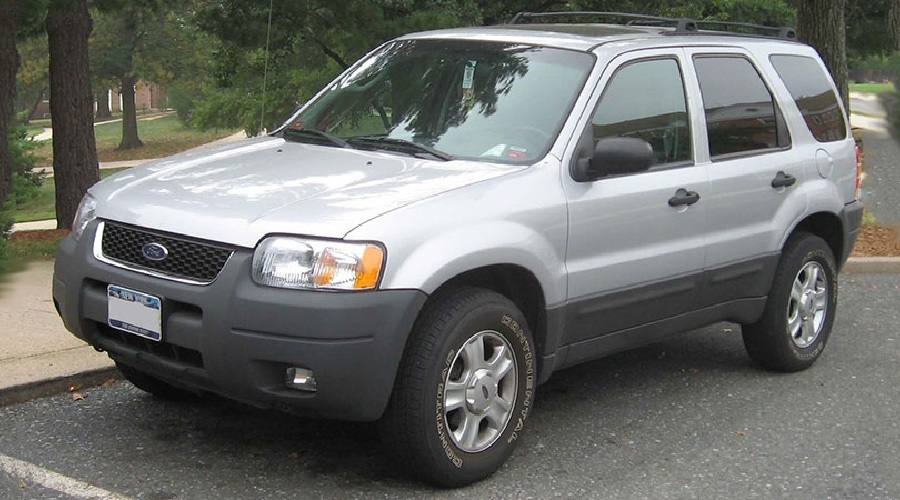
Normal Exhaust Appearances
Before discussing problematic exhaust colours, it’s important to understand what normal, healthy exhaust looks like in your Ford Escape.
Clear Exhaust
When your Ford Escape operates at optimal efficiency, the exhaust should be virtually invisible during normal driving conditions. Once the engine reaches operating temperature, you should see little to no visible emissions from the tailpipe. This clear exhaust indicates proper fuel combustion and a well-maintained engine.
During cold starts, especially in winter conditions, it’s completely normal to notice a thin white vapour from your exhaust. This vapour represents water condensation that forms during the combustion process and quickly dissipates as the engine warms up. This temporary condition typically disappears within 5-10 minutes of operation and shouldn’t cause concern.
Warm Weather Considerations
In warm weather, your properly functioning Ford Escape should produce no visible exhaust once warmed up. Any persistent visible emissions during the summer months warrant attention, as they likely indicate an underlying issue that requires diagnosis. The absence of visible exhaust during warm weather operation represents the ideal condition for your vehicle.
White Exhaust Smoke Analysis
White exhaust smoke from your Ford Escape can range from normal condensation to serious mechanical issues, depending on its characteristics.
Light White Vapour
As mentioned earlier, the thin white vapour observed during cold starts is normal and represents simple water condensation within the exhaust system. This vapour appears more prominent in colder temperatures and disappears as the engine reaches operating temperature. If this light vapour dissipates quickly, your Escape is functioning normally.
For all Ford Escape models, this condensation effect proves more noticeable after short trips that don’t allow the engine to warm up fully. The exhaust system retains moisture that vaporizes during the next startup. This normal phenomenon affects all model years from the original 2001 Escape through more recent versions.
Thick White Smoke
Thick, billowing white smoke that persists after the engine warms represents a more serious concern for your Ford Escape. This symptom often indicates coolant entering the combustion chambers through a failed head gasket, cracked cylinder head, or cracked engine block. The distinct sweet smell accompanying this smoke confirms coolant burning.
This issue demands immediate attention, as continued operation risks severe engine damage. The 2.0L engines in early Escapes and the 2.5L engines in later models both exhibit this symptom when head gasket failure occurs. The characteristic thick, white smoke appears steady, regardless of engine temperature, and typically increases during acceleration.
Blue Exhaust Smoke Diagnosis
Blue smoke from your exhaust system specifically indicates oil burning within the combustion chambers, pointing to several possible issues.
Common Causes
Blue smoke typically appears when engine oil seeps past worn valve seals, piston rings, or cylinder walls into the combustion chamber. In older Ford Escapes, particularly those exceeding 150,000 kilometers, this condition becomes increasingly common as these components naturally wear. The 3.0L V6 engine option in earlier Escapes often develops valve seal wear at higher mileages, allowing oil to enter the cylinders during the intake stroke.
You’ll notice blue smoke most prominently during specific driving conditions. After idling, blue smoke appears upon acceleration as accumulated oil burns off. During deceleration, worn valve guides allow oil to be drawn into the cylinders. The smoke typically has a distinctive burnt oil smell that differs from the odours of other exhausts.
PCV System Issues
The Positive Crankcase Ventilation (PCV) system in your Ford Escape plays an important role in preventing blue smoke. A clogged or malfunctioning PCV valve creates excessive crankcase pressure, forcing oil past seals and into the combustion chambers. This commonly affects 2001-2007 Escape models, where the PCV system design requires regular maintenance to function properly.
Inspecting and replacing the PCV valve represents a simple, inexpensive fix that often resolves mild blue smoke issues. Located on the valve cover of your engine, this small component should be replaced every 50,000 kilometers as preventative maintenance. A properly functioning PCV system significantly reduces oil consumption and extends engine life.
Black Exhaust Smoke Interpretation
Black smoke from your Ford Escape indicates incomplete fuel combustion, where excess fuel fails to burn completely during the combustion process.
Fuel System Problems
The most common causes of black smoke include clogged air filters, malfunctioning fuel injectors, failed oxygen sensors, or a faulty mass airflow sensor. These issues disrupt the critical air-fuel ratio your engine requires for proper combustion. The 2.0L EcoBoost engines in later Escape models (2013+) prove particularly sensitive to fuel system issues, often displaying black smoke when the high-pressure fuel system develops problems.
Black smoke typically increases during acceleration when the engine demands more fuel. You might also notice reduced fuel efficiency, rough idle, and decreased power output accompanying this symptom. The smoke often has a rich, fuel-like odour that distinguishes it from other exhaust emissions.
Sensor and Computer Issues
Modern Ford Escapes rely on numerous sensors to maintain optimal air-fuel mixtures. A faulty oxygen sensor fails to properly regulate the fuel injection system, resulting in an overly rich mixture. The same principle applies to mass airflow sensors, which measure the volume of incoming air. When these components malfunction, the engine computer receives incorrect data and compensates by injecting improper amounts of fuel.
The powertrain control module (PCM) in your Escape typically stores diagnostic trouble codes when sensor issues occur. Having these codes read with a diagnostic scanner often pinpoints the exact cause of black smoke, allowing for targeted repairs rather than costly guesswork. Even older Escape models from 2001 onward utilize onboard diagnostics that capture these sensor failures.
Grey Exhaust Smoke Evaluation
Grey smoke represents one of the more challenging diagnostic scenarios, as it can indicate several different issues in your Ford Escape.
Transmission Fluid Leaks
In automatic transmission Ford Escape models, grey smoke sometimes indicates that the transmission fluid is burning in the engine. This occurs when the vacuum modulator (in older models) or a transmission cooler line leaks fluid into the intake system. The distinctive red transmission fluid burns with a light grey smoke and sweet-smelling odour.
This condition appears most commonly in higher-mileage models, particularly 2001-2012 models with aging transmission components. Addressing this issue promptly prevents both transmission damage and engine performance problems. Transmission fluid lacks the proper lubricating properties for engine components and can cause accelerated wear if it enters the combustion chambers.
Oil and Coolant Mixture
Grey smoke sometimes indicates a combination of oil and coolant burning together, suggesting internal engine damage that allows these fluids to mix. This typically results from a cracked cylinder head or a blown head gasket, which creates pathways between the lubrication system, cooling system, and combustion chambers.
You can confirm this diagnosis by checking your engine oil. If it appears milky or resembles a chocolate milkshake, coolant has mixed with the oil. Similarly, check the coolant reservoir for oil contamination, which appears as slicks or bubbles in the coolant. This serious condition requires immediate professional attention to prevent catastrophic engine failure.
Learn What Your Ford Escape Exhaust Colour Means
Understanding the colour of your exhaust empowers you to identify potential issues before they escalate into major problems. Regular maintenance, prompt attention to changing exhaust characteristics, and understanding the normal operating parameters for your specific model year ensure your Escape remains reliable for years to come. When in doubt, consulting with a qualified technician familiar with Ford vehicles provides the most accurate diagnosis and the most appropriate repair recommendations for your specific situation.
Exhaust Colour Facts in Ford Escapes
The 2005-2007 Ford Escape Hybrid models produce significantly less visible exhaust emissions due to their Atkinson cycle engines, which burn fuel more completely than traditional Otto cycle engines.
The transition from white startup condensation to clear exhaust typically occurs 42% faster in summer than winter for most Ford Escape models.
Ford Escape vehicles with higher-pressure EcoBoost engines (2013+) tend to produce darker black smoke when fuel system issues occur compared to naturally-aspirated engines.
The original 2.0L Zetec engine used in 2001-2004 models is particularly prone to valve seal issues after 160,000 kilometers, often producing blue smoke on startup.
A Ford Escape burning one liter of oil every 1,000 kilometers (a common measurement of oil consumption) will produce visible blue smoke that is typically most noticeable after the vehicle sits overnight.
What causes black smoke only during acceleration?
Black smoke that appears specifically during acceleration indicates a temporary rich fuel condition. When you press the accelerator, the engine demands more fuel. If the air filter is clogged or the mass airflow sensor is dirty, the engine computer cannot accurately measure the incoming air, resulting in excess fuel delivery during these high-demand moments. This commonly affects 2008-2012 Escape models with the 2.5L engine. Clean or replace your air filter first, as this simple maintenance step often resolves the issue. If the problem persists, the mass airflow sensor might require cleaning or replacement.
How long should white smoke last during cold starts?
Normal condensation-related white vapour should disappear within 5 minutes of starting a cold engine in moderate weather, or up to 10 minutes in extremely cold conditions below -15°C. If white smoke persists beyond these timeframes, particularly if it has a sweet smell, this indicates a more serious issue, like coolant entering the combustion chambers through a failed head gasket. The 3.0L V6 engine option in 2001-2008 Escapes is particularly prone to this issue at higher mileages. Monitor your coolant level regularly, as a dropping level without visible leaks often accompanies persistent white smoke.
Can exhaust smoke indicate a catalytic converter problem?
Yes, a failing catalytic converter in your Ford Escape can influence exhaust colour and characteristics. While the converter doesn’t directly create coloured smoke, it can cause exhaust to appear darker or have a sulfur-like rotten egg smell when failing. This occurs most commonly in 2001-2007 models that have accumulated over 150,000 kilometers. A clogged converter also restricts exhaust flow, leading to reduced power and poor acceleration, and sometimes causes the engine to run hotter than normal. Diagnostic testing measuring backpressure in the exhaust system can confirm this condition.
Does fuel quality affect exhaust smoke colour?
Fuel quality has a significant impact on the exhaust characteristics of your Ford Escape. Lower-quality fuel with high sulfur content or improper additives can create more visible emissions, particularly darker grey or black smoke during acceleration. This affects all model years but becomes more noticeable in engines with higher mileage, where combustion chamber deposits have accumulated. The direct-injection EcoBoost engines in 2013+ models prove particularly sensitive to fuel quality issues. Using high-quality fuel from reputable stations and adding a fuel system cleaner every 5,000 kilometers helps maintain cleaner combustion and clearer exhaust.
How do seasonal changes affect normal exhaust appearance?
Your Ford Escape exhaust appearance naturally varies with ambient temperature and humidity. In cold winter conditions, water vapour condensation appears more prominent and lasts longer during startup, sometimes creating a cloud-like effect behind your vehicle. This normal condition can persist for up to 10 minutes in extremely cold conditions. Conversely, in hot summer conditions with low humidity, even this normal condensation becomes nearly invisible. The 2.5L engines in 2009-2012 models tend to show these seasonal variations more prominently than other engine options. These natural variations shouldn’t cause concern unless accompanied by unusual colours, odours, or engine performance issues.
*Disclaimer: Content contained in this post is for informational purposes only and may include features and options from US or international models. Please contact the dealership for more information or to confirm vehicle, feature availability.*


