
How to Check Engine Valves Before You Visit a Ford Dealership
The health of your Ford engine valves significantly impacts overall performance, efficiency, and longevity. When these critical components begin to falter, the consequences range from minor performance issues to catastrophic engine failure. Professional valve inspection at an authorized Ford dealership provides a comprehensive analysis by factory-trained technicians using specialized equipment. This detailed examination reveals potential issues before they escalate into costly repairs, saving both time and resources. Whether you drive an F-150, Escape, or Mustang, understanding what happens during a valve inspection empowers you to make informed maintenance decisions for your vehicle.
The Functi
on of Engine Valves
Engine valves serve as gatekeepers for your Ford engine combustion process, controlling the flow of air, fuel, and exhaust gases with precision timing. These components endure extreme conditions throughout your vehicle’s operational life.
Critical Valve Components
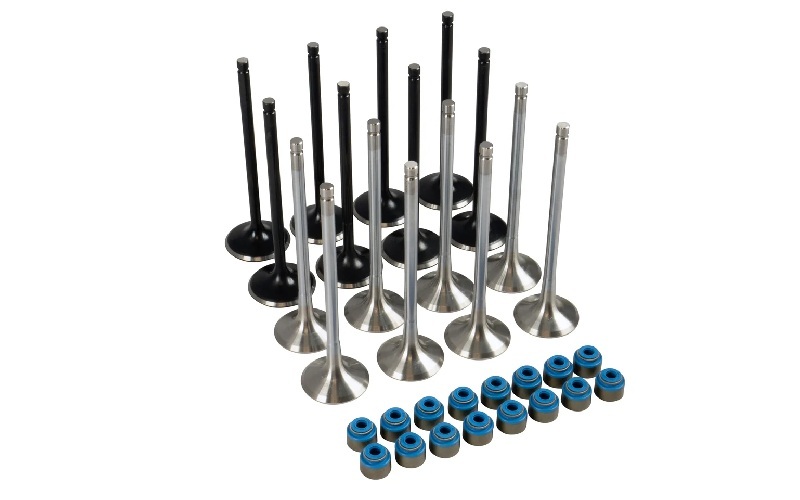
The valve system in your Ford engine consists of multiple precision-engineered parts working in harmony. Intake valves allow the air-fuel mixture to enter the combustion chamber, while exhaust valves permit the spent gases to exit after combustion. The valve stems connect to rocker arms, which are actuated by camshafts to control precise opening and closing timing. Valve springs maintain tension to ensure proper closure, while valve seals prevent oil from entering the combustion chamber.
Each engine design utilizes specific valve configurations. For example, the popular 5.0L Coyote V8 found in the F-150 and Mustang features dual overhead camshafts (DOHC) with four valves per cylinder, providing enhanced breathing capability. The EcoBoost engine family employs similar technology with direct injection for improved efficiency. Understanding these distinctions helps you appreciate the importance of proper valve maintenance for your specific Ford model.
Signs of Valve Issues
Your Ford vehicle communicates valve problems through several recognizable symptoms. A rough idle often indicates valve-sealing issues, where compression escapes during combustion. Unusual ticking noises, particularly prominent in the 3.5L EcoBoost engines found in F-150 models, may suggest valve lash adjustment problems. Decreased power and acceleration capabilities point to valves that aren’t opening fully or sealing properly.
More severe symptoms include increased oil consumption, often indicative of worn valve guides or seals allowing oil to enter the combustion chamber. The check engine light may illuminate with specific trouble codes related to cylinder misfires or variable valve timing issues. The 1.6L and 2.0L EcoBoost engines in Focus and Escape models may exhibit these symptoms earlier due to their high-performance design characteristics. Recognizing these warning signs prompts timely intervention before more extensive damage occurs.
The Diagnostic Process at a Ford Dealership
Ford dealership technicians follow a systematic approach when evaluating valve condition, beginning with preliminary assessments before progressing to more detailed examinations as needed.
Initial Assessment
The valve inspection process at a Ford dealership begins with a thorough review of your vehicle’s history and current symptoms. Technicians examine service records to identify potential patterns or recurring issues that might influence valve performance. They also note your vehicle’s mileage and specific model characteristics that might predispose it to certain valve issues.
A road test often follows, allowing technicians to experience the symptoms firsthand and note specific operational conditions that trigger them. This proves particularly important for intermittent issues that may not manifest during stationary testing. The technician also performs a basic visual inspection of accessible engine components, checking for obvious signs of leakage, damage, or improper previous repairs that might impact valve function.
Advanced Diagnostic Techniques
After completing preliminary evaluations, technicians at the Ford dealership use sophisticated diagnostic equipment to precisely assess valve operation. A compression test measures the ability of valves to seal properly during the compression stroke, with readings taken from each cylinder and compared against factory specifications. Significant variations between cylinders often indicate valve sealing problems.
For more detailed analysis, technicians may perform a leak-down test, which introduces compressed air into the cylinder and measures how quickly it escapes, pinpointing the specific location of leakage. Modern engines, like those in the Edge and Explorer, benefit from real-time data analysis using specialized diagnostic tools that monitor variable valve timing and camshaft position sensor data to verify proper system function.
Visual Inspection Methods
In cases requiring direct visual confirmation, technicians may utilize borescope technology to examine valves without major disassembly. This fiber-optic tool inserts through spark plug holes or other access points to provide a magnified view of valve surfaces, seats, and combustion chambers. Technicians inspect for carbon buildup, burning, pitting, or physical damage that might compromise valve function.
The 2.7L and 3.5L EcoBoost engines found in F-150 and Edge models often benefit from this inspection method, as their direct-injection design can lead to carbon accumulation on intake valves. Similarly, the 5.0L Coyote V8 engines may develop valve seating issues that become visible under borescope examination. This direct visual confirmation guides technicians toward appropriate repair recommendations based on factual evidence rather than assumptions.
Comprehensive Valve Service at a Ford Dealership
Once valve issues are confirmed, Ford dealership technicians offer several service options based on the severity and specific nature of the problems identified.
Valve Adjustment Procedures
Many valve-related issues stem from improper clearances between valve components. Ford technicians perform valve adjustments according to factory specifications, ensuring optimal operation and preventing premature wear. This process typically involves measuring the gap between the rocker arm or cam lobe and the valve stem, then making necessary adjustments using specialized tools and techniques.
Different Ford engines require specific adjustment approaches. The 5.0L Coyote V8 utilizes hydraulic lash adjusters that typically don’t require manual adjustment but may need replacement if failing. In contrast, some older engines feature mechanical lifters with adjustable rocker arms that require periodic maintenance to keep clearances correct. Precise adjustment restores proper valve timing and operation, often resolving ticking noises, rough idle, and performance issues.
Carbon Removal Treatments
Direct injection engines, particularly the EcoBoost family found in models like the Escape, Edge, and F-150, commonly develop carbon deposits on intake valves due to the lack of fuel wash-over that occurs in port injection designs. These deposits restrict airflow and can cause significant performance issues over time.
Ford dealership technicians offer specialized carbon removal services using various methods. Chemical treatments introduce cleaning solutions into the intake tract during engine operation, gradually dissolving carbon deposits without major disassembly. For more severe accumulation, walnut shell blasting provides a more aggressive cleaning method, with fine walnut shell media directed at carbon deposits to remove them without damaging metal valve components. This restoration process significantly improves engine breathing, power delivery, and fuel efficiency.
Complete Valve Service
In situations involving significant valve damage or wear, Ford technicians may recommend a complete valve service. This comprehensive procedure typically requires cylinder head removal to access all valve components. Once removed, the cylinder head undergoes thorough cleaning and inspection before valve service begins.
The process includes valve removal, replacement of valve seals, inspection of valve guides, and precision grinding of valve faces and seats to restore proper sealing. Technicians verify valve spring tension meets specifications and replace any components showing excessive wear. This extensive Ford dealership service restores factory-specified valve operation and extends engine longevity, particularly beneficial for high-mileage Ford vehicles like F-150 trucks that frequently accumulate over 200,000 kilometers.
Preventative Maintenance Recommendations
Proactive valve maintenance significantly extends engine life and maintains optimal performance in Ford vehicles. Following factory-recommended practices helps avoid premature valve issues.
Regular Oil Change Intervals
The quality and condition of engine oil directly impacts valve component longevity. Ford recommends specific oil change intervals based on your vehicle’s particular engine and operating conditions. These intervals typically range from 8,000 to 16,000 kilometers, depending on driving habits and conditions.
Modern Ford engines, particularly the EcoBoost family, benefit from synthetic oils that provide superior protection under high temperatures and pressures. The variable valve timing systems in these engines rely on oil pressure for operation, making oil quality especially critical. Using Ford-approved oil specifications ensures compatibility with your engine’s design characteristics and helps maintain proper valve function throughout your ownership experience.
Fuel Quality Considerations
The fuel you choose significantly impacts valve condition, particularly in direct injection engines. Higher quality fuels with enhanced cleaning additives help minimize carbon deposits on intake valves and other combustion components. For turbocharged EcoBoost engines found in numerous models, premium fuel often provides performance benefits beyond standard octane ratings.
Ford dealership technicians typically recommend periodic use of fuel system cleaners to help maintain fuel injector performance and minimize carbon formation. Some modern Ford vehicles also benefit from direct injection carbon cleaning services every 50,000 to 80,000 kilometers to prevent accumulation that affects valve operation and overall engine performance.
Valve-Related Facts in Ford Engines
The 2018-2022 F-150 with the 3.5L EcoBoost engine uses dual injection (port and direct) to combat carbon buildup on intake valves, a first for Ford truck engines.
The 5.0L Coyote V8 engine features hollow-stem valves that are 19% lighter than solid alternatives, allowing higher engine RPM without valve float.
The first-generation 1.0L EcoBoost engine found in the Focus uses an innovative offset crankshaft design that reduces side load on pistons by 3-5%, which consequently reduces wear on related valve train components.
In the 2017-2022 Ford GT supercar, the valve seats are made from a beryllium-copper alloy that conducts heat away from the valves 5 times more effectively than standard valve seats.
The Dual-Fuel, High-Pressure Direct Injection (DFHPDI) system in newer Ford EcoBoost engines can operate at pressures exceeding 200 bar (2900 psi), requiring extremely precise valve timing to maintain optimal combustion.
How often should engine valves be inspected in Ford vehicles?
Valve inspections typically align with major service intervals, usually around 100,000 kilometers for most models. However, this varies by engine type and driving conditions. Direct injection EcoBoost engines benefit from earlier inspections, often around 80,000 kilometers, due to potential carbon buildup issues. Vehicles regularly used for towing or in extreme temperature conditions should have more frequent valve train evaluations.
What makes a Ford dealership valve inspection different from an independent shop?
Technicians receive specialized training specific to engine designs and have access to proprietary diagnostic equipment that provides deeper insights into valve operation. They use Integrated Diagnostic Software (IDS) to access engine control module data that is not available to all aftermarket tools. Dealership technicians also have direct lines to engineering support for unusual or challenging cases.
Can valve adjustments improve fuel economy in Ford vehicles?
Properly adjusted valves can indeed improve fuel efficiency in engines. When valves open and close at precisely the correct timing and with appropriate clearances, combustion efficiency improves. In variable valve timing systems found in most modern engines, proper operation ensures optimal fuel metering throughout the RPM range. Studies show that correcting valve clearance issues can improve fuel economy by 5-10% in some cases. The improvement is particularly noticeable in EcoBoost engines, where precise valve operation is critical to the efficiency advantages these turbocharged engines deliver.
What causes carbon buildup on valves in direct-injection Ford engines?
In direct injection engines like the EcoBoost family, fuel is sprayed directly into the combustion chamber rather than into the intake tract. This design eliminates the traditional “washing” effect of fuel on intake valves, which helped keep them clean in port-injection engines. Without this cleaning action, normal crankcase ventilation vapours and oil particles gradually accumulate on intake valve surfaces. This buildup is exacerbated by short trips that don’t allow the engine to reach full operating temperature, stop-start driving conditions, and low-quality fuel. The 1.5L, 1.6L, and 2.0L EcoBoost engines found in Escape and Fusion models are particularly susceptible to this condition.
How do valve problems impact Ford vehicle emissions testing?
Valve issues directly affect emissions performance. Improper sealing causes incomplete combustion, leading to increased hydrocarbon emissions. Valves that don’t open fully restrict proper air-fuel mixture formation, potentially causing the engine to run rich and produce excessive carbon monoxide. Exhaust valves that leak allow unburned fuel to enter the exhaust stream, overworking the catalytic converter and potentially causing it to fail prematurely. Many models employ variable valve timing specifically to optimize emissions at different engine loads, so malfunctions in these systems quickly lead to emissions test failures. Regular valve maintenance helps ensure your vehicle maintains compliance with emissions standards throughout its operational life.


