
2026 Ford Super Duty: What Wheel Rims Are Best for Heavy Use?
Ford equips the Super Duty with steel or aluminum alloy wheels, depending on the trim level, equipment package, and intended use. Engineers design both materials to support the truck's heavy-duty capability, but each offers distinct advantages in load capacity, durability, corrosion resistance, maintenance, and overall weight.
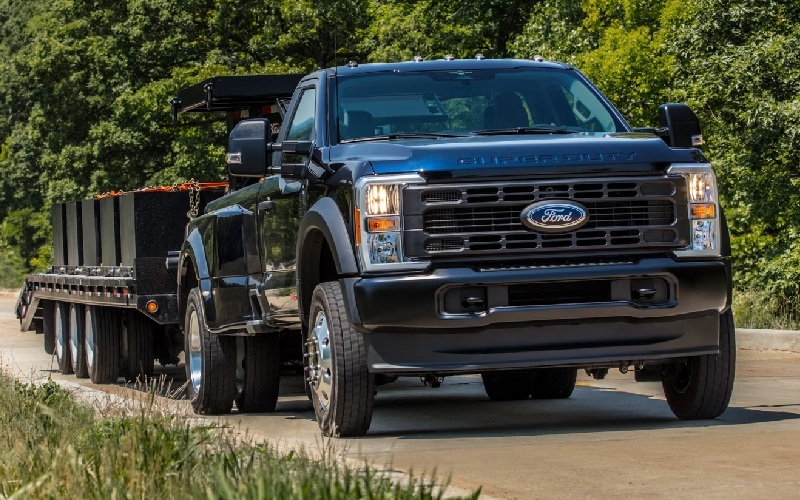
For heavy-duty applications, the most important factor is not simply the wheel material itself but whether the wheel's load rating matches the vehicle's intended use. Ford engineers the Super Duty for demanding jobs such as commercial hauling, equipment transport, trailer towing, and high-payload work. They also design every approved wheel option to meet specific axle and vehicle weight requirements.
Steel wheels are traditionally associated with work-oriented applications because of their durability, repairability, and resistance to certain types of impact damage. Aluminum alloy wheels provide weight reduction, corrosion resistance, and heat dissipation while still meeting heavy-duty load requirements when properly specified.
Super Duty owners should choose their wheels based on intended use, towing requirements, payload demands, environmental conditions, and maintenance priorities rather than appearance alone.
2026 Ford Super Duty Technical Specifications
Wheel Material Overview
Wheel material refers to the primary metal used in wheel construction.
The two most common wheel materials available on the Ford Super Duty are:
Steel
Aluminum alloy
Each material has unique engineering properties that influence vehicle operation.
Steel Wheels
Manufacturers stamp and form steel components, then weld them together to create the finished steel wheel. Steel remains widely used in heavy-duty vehicle applications because of its strength and durability characteristics.
Key Characteristics
Steel wheels generally provide:
High structural strength
Excellent impact resistance
Simplified repair procedures
Consistent load-carrying capability
Lower sensitivity to cosmetic damage
These characteristics make steel wheels common on work-focused Super Duty configurations.
Aluminum Alloy Wheels
Manufacturers combine aluminum with other metals to create aluminum alloy wheels that offer greater strength and durability. Engineers design modern heavy-duty aluminum wheels to support significant loads while reducing overall wheel weight.
Key Characteristics
Aluminum alloy wheels generally provide:
Reduced unsprung mass
Improved corrosion resistance
Enhanced heat dissipation
Lower overall wheel weight
Reduced susceptibility to rust formation
Many higher-trim Super Duty models use aluminum alloy wheels while maintaining heavy-duty capability.
Load Rating
Load rating is one of the most important wheel specifications for the Ford Super Duty.
Every wheel installed on a Super Duty must be capable of supporting the vehicle's operational requirements. Load ratings are determined through engineering analysis and testing procedures.
Gross Axle Weight Rating (GAWR)
Wheel selection must be compatible with axle loading requirements. The wheel load rating must be sufficient to support axle loads generated during towing, hauling, and payload operations.
Unsprung Mass
Wheel weight affects vehicle dynamics. Because aluminum alloy wheels typically weigh less than steel wheels, they may reduce unsprung mass while maintaining required load capacity.
Corrosion Resistance
Corrosion resistance is particularly important in Canadian operating environments. Road salt exposure during winter months can significantly influence long-term wheel condition.
Driver Experience
Steel Wheels in Heavy-Duty Service
Steel wheels remain popular in commercial and work-focused Super Duty applications.
Their durability characteristics are particularly relevant when vehicles are used in:
Construction environments
Forestry operations
Agricultural settings
Fleet applications
Remote work locations
Steel wheels are generally more tolerant of cosmetic damage caused by gravel, debris, and rough operating environments. Minor bends may sometimes be repairable depending on the nature of the damage and applicable service standards.
Aluminum Alloy Wheels in Heavy-Duty Service
Ford equips the Super Duty lineup with modern aluminum alloy wheels engineered to handle heavy-duty load requirements while reducing weight.
Reduced wheel weight may contribute to:
Suspension responsiveness
Ride quality characteristics
Steering feel
Brake cooling performance
The reduced mass can be particularly noticeable on trucks that spend substantial time on paved roads.
Towing Applications
Towing performance depends heavily on wheel load capacity.
When evaluating wheel materials for towing applications, several factors matter:
Wheel load rating
Tire load rating
Axle ratings
Trailer weight
Tongue weight
Both steel and aluminum alloy wheels can be suitable for towing if they meet the Ford engineering specifications. The material alone does not determine towing capability.
Payload Considerations
The vehicle carries payload, which includes the combined weight of cargo and occupants. Ford designs Super Duty models to handle higher payload capacities, so wheel load ratings play an important role. Ford engineers both steel and aluminum wheels to support the specified payload requirements when technicians install them according to the manufacturer's specifications.
Winter Performance
Canadian winter conditions present unique challenges for wheel materials.
Environmental factors include:
Road salt
Ice
Snow
Moisture
Freeze-thaw cycles
Steel wheels may develop corrosion if protective coatings become damaged and exposed metal surfaces are not addressed. Aluminum alloy wheels generally resist rust formation because aluminum oxidizes differently than steel. However, aluminum wheels can still experience cosmetic deterioration and finish degradation if contaminants are not removed regularly.
Brake Heat Management
Heat dissipation is the process by which thermal energy is transferred away from components. Improved heat transfer can support brake cooling under certain operating conditions, particularly during towing and downhill driving.
Durability Considerations
Durability should be evaluated according to intended use. Steel wheels often perform well in environments where impact resistance is a priority. Aluminum alloy wheels often perform well where corrosion resistance and weight reduction are important considerations. Neither material is universally superior in all operating conditions. The appropriate choice depends on vehicle usage patterns and operational priorities.
Service Requirements
Routine Wheel Inspection
Wheel inspections should be performed regularly regardless of wheel material.
Inspection areas include:
Cracks
Bends
Corrosion
Surface damage
Fastener condition
Heavy-duty towing and payload operation increase stress on wheel assemblies.
Corrosion Monitoring
Corrosion inspection is particularly important in Canadian climates.
Steel wheels should be monitored for:
Coating damage
Surface rust
Corrosion progression
Aluminum alloy wheels should be monitored for:
Finish deterioration
Surface oxidation
Corrosion around mounting areas
Load Compliance Verification
Replacement wheels must meet or exceed the vehicle's required load ratings. Installing wheels with insufficient capacity may compromise vehicle performance and durability.
Tire and Wheel Compatibility
Wheel service should include verification that tire specifications remain compatible with wheel dimensions and load requirements.
Improper combinations can affect:
Handling
Load capacity
Tire wear
Towing performance
Seasonal Cleaning
Road salt accumulation should be removed regularly.
Cleaning helps preserve:
Protective coatings
Wheel finishes
Mounting surfaces
Structural integrity
Post-Towing Inspection
Vehicles used frequently for towing may benefit from additional wheel inspections.
Inspection should focus on:
Fastener condition
Structural integrity
Heat-related damage
Corrosion development
Team Ford may recommend inspection intervals based on towing frequency, payload demands, and operating conditions.
2026 Ford Super Duty FAQ
Are steel wheels stronger than aluminum alloy wheels on the 2026 Ford Super Duty?
Not necessarily. Strength depends on engineering design and load rating. Both steel and aluminum alloy wheels used on this truck are designed to meet specific heavy-duty load requirements.
Which wheel material resists corrosion better?
Aluminum alloy wheels generally provide better resistance to rust formation, although both wheel types benefit from regular cleaning and maintenance.
Do aluminum alloy wheels reduce towing capability?
No. Towing capability depends on wheel load ratings and vehicle specifications rather than wheel material alone.
Why are load ratings important for Super Duty wheels?
Load ratings determine the maximum weight a wheel can safely support and must be compatible with the vehicle's axle and payload requirements.
Which wheel type is commonly preferred for demanding work environments?
Steel wheels are often used in work-focused applications because of their durability, impact resistance, and ability to tolerate harsh operating environments.
*Disclaimer: Content contained in this post is for informational purposes only and may include features and options from US or internacional models. Please contact the dealership for more information or to confirm vehicle, feature availability.*


