
2026 Ford Super Duty: Towing and Chassis Capabilities
The Ford Super Duty lineup includes F-250, F-350, and F-450 models designed for heavy-duty work. These trucks focus on high towing capacity, reinforced chassis construction, and multiple axle configurations. Cab and bed combinations allow different payload and trailer setups.
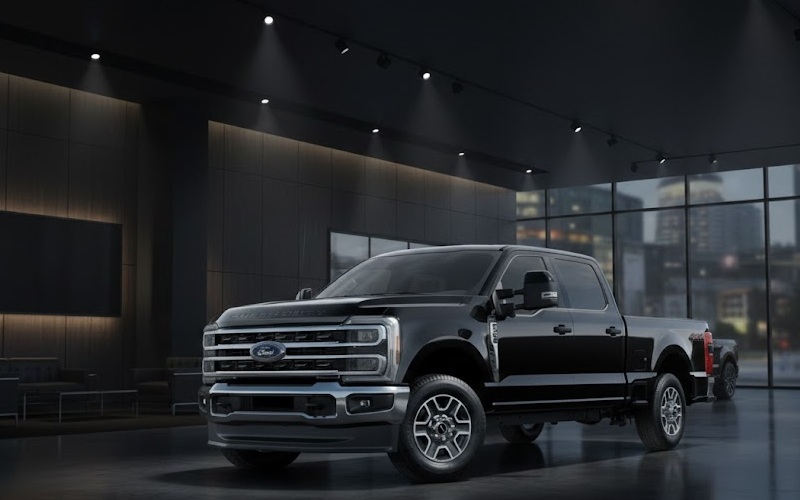
Towing performance depends on engine selection, drivetrain, axle ratio, and hitch configuration. Chassis structure supports these capabilities through frame strength, suspension components, and braking systems. At Team Ford, many buyers compare specifications based on required trailer weight and equipment use.
Ford Super Duty Model Range
The Super Duty family includes:
F-250 Super Duty
F-350 Super Duty
F-450 Super Duty
Each model offers increasing gross vehicle weight rating (GVWR) and towing capability.
Cab options typically include:
Regular Cab
SuperCab
Crew Cab
Bed lengths generally include:
2.0 m bed
2.4 m bed
Configuration affects both payload and towing ratings.
Engine Options
The Super Duty offers several engine choices:
6.8-litre V8 gasoline engine
7.3-litre V8 gasoline engine
6.7-litre Power Stroke V8 turbo diesel
The 6.7-litre diesel may be available in standard-output and high-output versions, depending on trim and configuration.
Engine selection directly affects maximum towing capacity and torque output.
Gasoline engines pair with a heavy-duty automatic transmission. The diesel engine also pairs with a heavy-duty automatic transmission designed for high torque loads.
Maximum Conventional Towing Capacity
Conventional towing uses a rear bumper hitch or receiver hitch.
Maximum conventional towing capacity can exceed:
9,000 kg in properly equipped configurations
Exact towing ratings depend on:
Model (F-250, F-350, F-450)
Engine choice
Axle ratio
Cab configuration
Bed length
Drivetrain (4×2 or 4×4)
Higher-capacity models such as the F-350 and F-450 generally support greater trailer weights than the F-250.
Fifth-Wheel and Gooseneck Towing
Fifth-wheel and gooseneck towing use a bed-mounted hitch system.
Maximum fifth-wheel or gooseneck towing capacity can exceed:
16,000 kg in certain properly equipped configurations
Diesel-equipped F-350 and F-450 models typically provide the highest trailer weight ratings.
A factory-installed fifth-wheel or gooseneck prep package may include:
Frame-mounted hitch points
Bed reinforcements
Integrated trailer wiring
These systems distribute trailer weight more directly over the rear axle compared to conventional towing.
Gross Combined Weight Rating (GCWR)
Gross Combined Weight Rating represents the maximum allowable combined weight of:
The truck
All occupants
Cargo
The trailer
GCWR increases with higher-capacity engines and stronger axle configurations.
Diesel-powered models generally provide higher GCWR figures due to increased torque and drivetrain strength.
Frame Construction
The Super Duty uses a fully boxed high-strength steel frame.
Key structural characteristics include:
Reinforced crossmembers
High-strength steel construction
Wide frame rails
The frame design supports heavy payload and trailer tongue weight. Reinforced sections under the bed accommodate fifth-wheel and gooseneck hitch installations.
Frame rigidity contributes to towing stability and load control.
Suspension System
Suspension configuration varies by model and capacity rating.
Front suspension includes:
Solid front axle design
Rear suspension includes:
Leaf spring system
Available rear stabilizer bars
Higher GVWR models use heavier-duty rear leaf springs. Dual-rear-wheel configurations are available on certain F-350 and F-450 models to increase load capacity.
Dual rear wheels enhance stability under heavy trailer loads.
Axle and Drivetrain Options
Drivetrain options include:
Rear-wheel drive (4×2)
Four-wheel drive (4×4)
Four-wheel drive adds a transfer case and front differential. This system supports traction in low-grip conditions but can slightly reduce maximum towing capacity compared to equivalent 4×2 models due to added weight.
Axle ratios vary by configuration. Common ratios may include options designed to balance fuel efficiency and towing performance.
Lower numerical axle ratios support higher towing capacity by increasing torque multiplication at the wheels.
Integrated Trailer Technology
The Super Duty offers integrated trailer technology features.
Available systems include:
Trailer Brake Controller
Trailer Sway Control
Pro Trailer Backup Assist
360-degree camera system
Blind Spot Information System with trailer coverage
The Trailer Brake Controller allows adjustment of braking force to match trailer weight.
Trailer Sway Control applies brake pressure and adjusts engine torque if sway occurs.
Pro Trailer Backup Assist simplifies low-speed trailer manoeuvres.
Blind spot coverage extends along the length of the trailer when properly configured.
Cooling and Thermal Management
Heavy towing places increased demand on engine and transmission cooling systems.
Super Duty models include:
Large radiator assemblies
Transmission coolers
Engine oil cooling systems
Diesel models use additional cooling systems to manage high torque output during extended towing.
Proper cooling supports sustained performance under heavy loads.
Braking System
The braking system includes:
Four-wheel disc brakes
Anti-lock braking system
Electronic stability control
Brake size and material strength support heavy trailer loads.
Integrated exhaust braking is available on diesel models. This system assists in speed control during downhill towing by increasing engine resistance.
Payload and Towing Relationship
Towing capacity and payload are related but distinct ratings.
Payload includes:
Cargo in the bed
Occupants
Trailer tongue weight
When towing, trailer tongue weight counts toward payload capacity.
For example:
A conventional trailer may apply 10–15 percent of its total weight as tongue weight.
A fifth-wheel trailer may apply higher vertical load directly over the rear axle.
Buyers must ensure combined payload and tongue weight do not exceed the truck’s rated capacity.
Chassis Cab Variants
In addition to pickup configurations, Super Duty models are available in chassis cab form.
Chassis cab versions include:
Reinforced frame rails without a factory bed
Upfit compatibility for commercial bodies
Higher GVWR options in certain models
These versions support the installation of service bodies, flatbeds, or utility equipment.
Cab and Bed Influence on Towing
Cab size and bed length influence overall weight and wheelbase.
Longer wheelbase configurations may provide:
Improved towing stability
Higher fifth-wheel capacity in certain trims
Shorter configurations may reduce total vehicle weight but may not support the highest trailer ratings.
Crew Cab models provide additional passenger space but increase curb weight.
Stability and Load Control
Electronic systems assist with load control.
These include:
Electronic stability control
Roll stability control
Trailer sway mitigation
The combination of a strong chassis structure and electronic assistance systems supports controlled handling during towing.
2026 Ford Super Duty: Power and Capability
The Ford Super Duty lineup provides:
F-250, F-350, and F-450 models
Gasoline and diesel engine options
Conventional towing capacity exceeding 9,000 kg in certain configurations
Fifth-wheel or gooseneck towing capacity exceeding 16,000 kg in properly equipped models
Fully boxed high-strength steel frame
Heavy-duty leaf spring rear suspension
Available dual rear wheel configuration
Integrated trailer technology systems
Towing capability depends on configuration, engine, drivetrain, and axle ratio. Chassis design supports high GVWR and GCWR ratings required for heavy-duty work.
Questions and Answers
Which models are included in the 2026 Ford Super Duty lineup?
The lineup includes F-250, F-350, and F-450 models.
What is the maximum conventional towing capacity mentioned?
Maximum conventional towing capacity can exceed 9,000 kg in properly equipped configurations.
How much can properly equipped fifth-wheel or gooseneck configurations tow?
They can exceed 16,000 kg in certain properly equipped configurations.
What type of frame does the 2026 Super Duty use?
It uses a fully boxed high-strength steel frame with reinforced crossmembers.
How does trailer tongue weight affect payload?
Trailer tongue weight counts toward the truck’s total payload capacity and must remain within rated limits.
*Disclaimer: Content contained in this post is for informational purposes only and may include features and options from US or internacional models. Please contact the dealership for more information or to confirm vehicle, feature availability.*


