
2026 Ford Super Duty Pickup: What Engines Are Available?
Heavy-duty pickup trucks are designed for demanding applications such as towing large trailers, transporting heavy loads, and operating in challenging work environments. The powertrain is one of the most critical components in these vehicles, and engine selection plays a central role in determining capability, durability, and efficiency. In the new Ford Super Duty lineup, several engines are available to meet the needs of different types of drivers and industries.
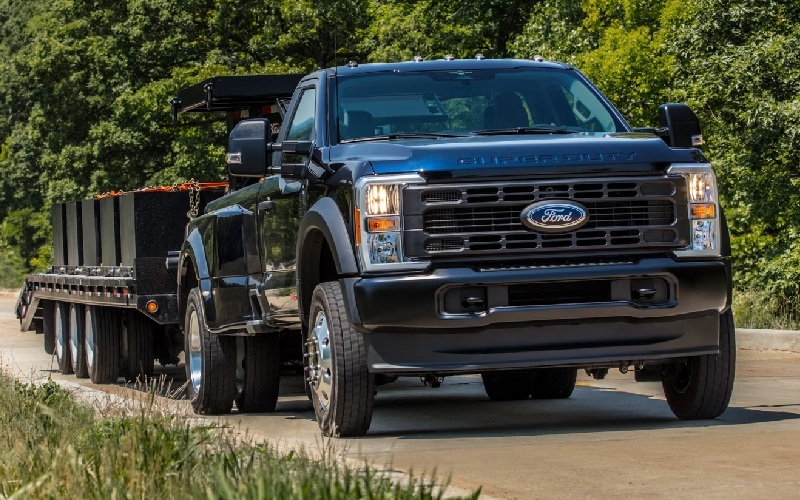
Modern heavy-duty engines combine traditional mechanical strength with advanced technologies such as turbocharging, electronic fuel injection, and sophisticated engine management systems. These innovations allow large trucks to deliver high levels of torque while maintaining improved fuel efficiency and emissions performance.
The engines available in the Ford Super Duty reflect this balance between performance and engineering precision. From gasoline-powered V8 engines to advanced turbocharged diesel powerplants, each engine configuration is designed for specific operational requirements.
The 2026 Ford Super Duty Engine Lineup
The engine lineup in the Ford Super Duty supports a wide range of heavy-duty applications. These engines differ in displacement, fuel type, and induction technology.
Typical engine options include:
A large-displacement gasoline V8 engine
A high-output gasoline V8 engine
A turbocharged diesel V8 engine
Each engine configuration has a heavy-duty automatic transmission designed to handle the high torque levels produced by these powerplants.
The engines provide strong torque at relatively low engine speeds, which is particularly important when towing heavy loads or climbing steep grades.
6.8-Litre Gasoline V8 Engine
Engine Architecture
One of the gasoline engine options in the Ford Super Duty is a 6.8-litre V8. This engine uses a traditional V-shaped cylinder configuration with eight cylinders arranged in two banks.
Key structural features include:
Cast iron engine block for strength
Aluminum cylinder heads for weight reduction
Dual overhead camshafts
Four valves per cylinder
The large displacement allows the engine to produce substantial torque without requiring turbocharging.
Fuel Injection System
The engine uses modern fuel injection systems to deliver fuel precisely into the combustion chamber. Electronic injectors regulate the amount and timing of fuel delivery based on engine load and speed.
Sensors monitor parameters such as:
Intake air temperature
Throttle position
Engine speed
Exhaust oxygen levels
This data allows the engine control unit to optimize the air-fuel mixture for efficient combustion.
Power Delivery Characteristics
Naturally aspirated gasoline engines often provide smooth and predictable power delivery. The large displacement of the 6.8-litre V8 helps generate strong low-speed torque, which is beneficial for towing or carrying heavy cargo.
7.3-Litre Gasoline V8 Engine
Large-Displacement Design
The 7.3-litre V8 is one of the largest gasoline engines available in a modern heavy-duty pickup. Its design focuses on durability and torque generation.
The engine includes:
A robust cast-iron block
Large cylinder bores and long stroke
High-capacity cooling systems
These features allow the engine to sustain high loads over long operating periods.
Variable Valve Timing
Variable valve timing technology allows the engine to adjust the timing of intake and exhaust valves during operation.
This system improves performance in several ways:
Enhancing torque at low engine speeds
Increasing efficiency during cruising
Reducing emissions during combustion
The engine control module manages valve timing adjustments using electronically controlled camshaft actuators.
Thermal Management Systems
Heavy-duty engines generate significant heat during operation. To manage this heat, the 7.3-litre V8 uses advanced cooling systems that include:
High-capacity radiators
Engine oil coolers
High-flow water pumps
These components ensure that the engine maintains stable operating temperatures even during demanding work conditions.
6.7-Litre Turbocharged Diesel V8
Diesel Combustion Principles
Diesel engines operate differently from gasoline engines. Instead of igniting a fuel-air mixture with spark plugs, diesel engines rely on extremely high compression to ignite fuel.
Air is compressed inside the cylinder until it reaches a temperature high enough to ignite diesel fuel when it is injected.
This process produces high torque output and improved fuel efficiency compared with gasoline engines.
Turbocharging System
The 6.7-litre diesel engine uses a turbocharger to increase air intake pressure. By forcing more air into the combustion chamber, the engine can burn more fuel and generate greater power.
Key turbocharger components include:
A turbine driven by exhaust gases
A compressor that pressurizes intake air
Intercoolers that reduce air temperature after compression
Cooling the compressed air increases its density, allowing more oxygen to enter the engine and improving combustion efficiency.
High-Pressure Fuel Injection
Diesel engines use high-pressure fuel injection systems that deliver fuel directly into the combustion chamber at extremely high pressures.
These systems allow:
Precise fuel metering
Improved atomization of fuel droplets
More complete combustion
Electronic control units adjust injection timing and pressure depending on engine load and speed.
Engine Control Systems
Electronic Control Unit
All engines in the Super Duty lineup rely on an electronic control unit to manage engine operation.
This control module monitors data from multiple sensors throughout the engine, including:
Intake air sensors
Fuel pressure sensors
Exhaust gas sensors
Engine temperature sensors
Using this information, the system continuously adjusts parameters such as ignition timing, fuel injection, and turbocharger boost pressure.
Diagnostics and Monitoring
Modern engine control systems also include diagnostic capabilities. These systems detect irregularities in engine operation and record diagnostic codes that help technicians identify potential issues.
This monitoring capability supports preventive maintenance and long-term engine reliability.
Transmission Integration
Heavy-Duty Automatic Transmission
The engines available in the Ford Super Duty have heavy-duty automatic transmissions designed to handle high torque levels.
These transmissions typically include multiple forward gear ratios to maintain optimal engine performance across different driving conditions.
Lower gears provide torque multiplication for towing or climbing, while higher gears reduce engine speed during highway driving.
Torque Converter Function
A torque converter connects the engine to the transmission. It uses hydraulic fluid to transfer rotational energy while allowing the engine to continue running when the vehicle is stationary.
The torque converter can also multiply torque during initial acceleration, which is useful when moving heavy loads.
Cooling and Durability Systems
Engine Cooling
Heavy-duty trucks often operate under sustained loads that generate large amounts of heat. Engine cooling systems help maintain stable operating temperatures.
These systems include:
Radiators
Cooling fans
Coolant circulation pumps
Heat exchangers
Proper temperature regulation prevents overheating and protects internal engine components.
Structural Reinforcement
Engines used in heavy-duty trucks are designed with reinforced components to withstand high internal pressures and mechanical stress.
Common durability features include:
Forged crankshafts
Reinforced connecting rods
High-strength pistons
These components allow the engine to operate reliably under demanding conditions.
Summary of Engine Technologies
The engine lineup of the Ford Super Duty demonstrates how modern heavy-duty trucks combine traditional mechanical strength with advanced engineering technologies.
Key technologies used across the engine range include:
Large-displacement cylinder designs for torque production
Turbocharging systems for increased air intake and power
Direct fuel injection for precise fuel control
Electronic engine management systems for optimized efficiency
High-capacity cooling systems for sustained operation under heavy loads
These technologies work together to ensure that the engine can deliver consistent performance in demanding applications.
2026 Ford Super Duty FAQ
What engines are available in the 2026 Ford Super Duty?
The truck offers several engines, including gasoline V8 engines and a turbocharged diesel V8. These engines deliver high torque for towing and heavy-duty work.
Why are diesel engines common in heavy-duty trucks?
Diesel engines produce higher torque at lower engine speeds compared with gasoline engines. This characteristic makes them well-suited for towing and hauling heavy loads.
What is the advantage of turbocharging in the diesel engine?
Turbocharging compresses incoming air before it enters the combustion chamber. This allows more fuel to burn efficiently, increasing power output and engine efficiency.
How does the engine control unit manage engine performance?
The engine control unit receives data from sensors throughout the engine and adjusts parameters such as fuel injection timing and turbocharger boost pressure to maintain efficient operation.
Why are large-displacement engines used in heavy-duty trucks?
Large-displacement engines can generate substantial torque without excessive strain on internal components. This makes them suitable for applications that require sustained power under heavy loads.
*Disclaimer: Content contained in this post is for informational purposes only and may include features and options from US or internacional models. Please contact the dealership for more information or to confirm vehicle, feature availability.*


