
2026 Ford F-150 Pickup Truck: What Engines Are Available?
The new Ford F-150 continues the long-standing tradition of offering multiple powertrain options designed to suit a wide range of uses, from daily commuting to towing heavy equipment and hauling cargo. Engine choice is a central factor in how the truck performs, influencing torque delivery, fuel efficiency, payload capability, and towing capacity.
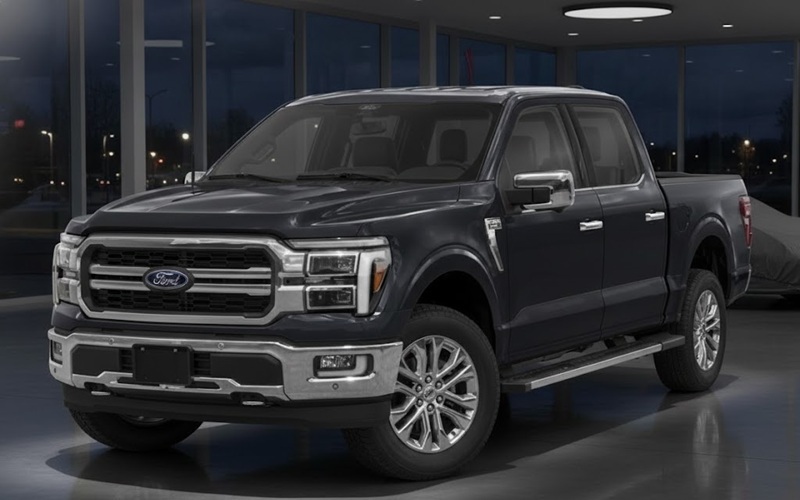
Modern pickup trucks must balance power, durability, and efficiency. To achieve this, manufacturers increasingly rely on turbocharging, hybridization, and advanced engine management systems. The Ford F-150 reflects this trend by combining traditional internal combustion designs with newer electrified solutions.
Understanding the available engines requires considering not only their displacement and configuration but also supporting technologies such as turbochargers, hybrid electric systems, and electronic control modules. These components work together to optimize power output, fuel consumption, and emissions performance.
Overview of the 2026 Ford F-150 Powertrain Range
The Ford F-150 offers a variety of engines designed to balance performance, efficiency, and durability. These engines differ in displacement, cylinder configuration, induction method, and electrification level.
The available powertrains typically include:
A naturally aspirated V6 engine
Turbocharged EcoBoost V6 engines
A naturally aspirated V8 gasoline engine
A hybrid powertrain combining a turbocharged V6 with an electric motor
Each engine has a modern automatic transmission and an electronic powertrain management system that monitors combustion, torque output, and efficiency in real time.
At Team Ford, understanding these engines helps drivers evaluate which configuration best matches their expected use, such as towing, long-distance driving, or mixed urban and highway operation.
Naturally Aspirated 3.3-Litre V6 Engine
Engine Architecture
The 3.3-litre V6 serves as the entry-level engine in the lineup. It uses a naturally aspirated configuration, meaning air enters the combustion chambers without turbocharging or supercharging.
Key architectural characteristics include:
Six cylinders arranged in a V configuration
Aluminum engine block and cylinder heads
Dual overhead camshafts
Four valves per cylinder
This configuration promotes smooth operation and predictable power delivery.
Fuel Injection System
The engine uses direct fuel injection, in which fuel is injected into the combustion chamber rather than into the intake port. This allows precise control of the air–fuel mixture, improving combustion efficiency.
Direct injection also supports higher compression ratios and better thermal efficiency, contributing to improved fuel economy and lower emissions.
Typical Applications
This engine is commonly suited for:
Light-duty hauling
Urban driving
Fleet operations
Its simpler mechanical design reduces complexity compared with turbocharged engines.
2.7-Litre EcoBoost Twin-Turbocharged V6
Turbocharging System
The 2.7-litre EcoBoost engine introduces forced induction through twin turbochargers. Turbochargers compress incoming air before it enters the combustion chamber, allowing more oxygen to mix with fuel and produce greater power from a smaller displacement engine.
The system includes:
Two turbochargers are mounted close to the exhaust manifolds
Intercoolers that cool compressed intake air
Electronic wastegates to regulate boost pressure
This configuration improves both power density and responsiveness.
Engine Materials and Design
To handle the increased pressures generated by turbocharging, the engine uses:
A compacted graphite iron cylinder block
Aluminum cylinder heads
Reinforced crankshaft components
These materials increase structural rigidity and durability under high loads.
Efficiency Characteristics
Because the engine is relatively small for a pickup truck, it benefits from reduced internal friction and lower fuel consumption at moderate loads. Turbocharging allows the engine to deliver higher power when needed without permanently increasing fuel use.
3.5-Litre EcoBoost Twin-Turbocharged V6
High Output and Torque Delivery
The 3.5-litre EcoBoost V6 is designed for applications requiring stronger towing and hauling capability. Its larger displacement and twin turbochargers allow it to produce significant torque across a wide range of engine speeds.
Torque delivery is particularly important in pickup trucks because it determines how effectively the vehicle can move heavy loads from a standstill.
Direct Injection and Port Injection
Some versions of the EcoBoost engine combine direct injection with port fuel injection. This dual-injection strategy helps optimize combustion in different operating conditions.
Benefits include:
Reduced carbon buildup on intake valves
Improved fuel atomization
Enhanced efficiency during both low and high engine loads
The engine management system determines which injection method to prioritize based on temperature, load, and throttle position.
Cooling Systems
Turbocharged engines generate additional heat. To manage this, the 3.5-litre EcoBoost includes:
Liquid-cooled turbochargers
Dedicated intercoolers
High-capacity radiators
These components maintain stable operating temperatures during demanding tasks.
5.0-Litre V8 Engine
Traditional V8 Configuration
The 5.0-litre V8 represents the classic large-displacement gasoline engine in the F-150 lineup. Unlike the EcoBoost engines, it does not rely on turbocharging to generate power.
The engine includes:
Eight cylinders arranged in a V configuration
Aluminum block and heads
Dual overhead camshafts
Variable valve timing
This design provides a broad and linear power curve.
Variable Valve Timing System
Variable valve timing adjusts the opening and closing of intake and exhaust valves depending on engine speed and load.
This system improves:
Low-speed torque
High-speed power
Fuel efficiency
Electronic control units manage these adjustments to maintain optimal combustion.
Durability Characteristics
Large-displacement naturally aspirated engines often operate under lower internal pressures than turbocharged engines. This can contribute to consistent long-term durability when properly maintained.
Hybrid Powertrain: PowerBoost System
Hybrid Architecture
The hybrid system available in the Ford F-150 combines a 3.5-litre EcoBoost V6 with an electric motor integrated into the transmission.
Key components include:
A lithium-ion battery pack
An electric motor generator
Power electronics that manage energy flow
Together, these components create a parallel hybrid system.
Electric Motor Assistance
The electric motor provides additional torque during acceleration and towing. Because electric motors deliver torque instantly, they improve responsiveness at low speeds.
During braking or deceleration, the motor also functions as a generator. This process, called regenerative braking, converts kinetic energy into electrical energy that recharges the battery.
Energy Management System
The hybrid system uses an electronic controller to coordinate power delivery between the gasoline engine and the electric motor.
The system continuously analyzes factors such as:
Throttle position
Vehicle speed
Battery charge level
Engine load
Based on these variables, it determines the most efficient combination of electric and gasoline power.
Transmission and Power Delivery
Regardless of engine choice, the Ford F-150 uses advanced automatic transmissions designed to optimize gear ratios and torque delivery.
Typical features include:
Multiple forward gears for improved efficiency
Electronic shift control
Adaptive shift algorithms
The transmission communicates with the engine control unit to ensure smooth power delivery and efficient operation.
In hybrid models, the transmission also integrates the electric motor, allowing both power sources to contribute to propulsion.
2026 Ford F-150 FAQ
What types of engines are available in the 2026 Ford F-150?
The truck offers several engines, including a naturally aspirated V6, turbocharged EcoBoost V6 engines, a naturally aspirated V8, and a hybrid powertrain combining a turbocharged V6 with an electric motor.
What is the EcoBoost engine technology?
EcoBoost engines use turbocharging and direct fuel injection to increase power output and efficiency. Turbochargers compress incoming air, allowing the engine to burn more fuel and produce greater power from a smaller displacement.
Does the 2026 Ford F-150 offer a hybrid engine?
Yes. The hybrid system combines a turbocharged V6 gasoline engine with an electric motor and a lithium-ion battery. The electric motor assists during acceleration and recovers energy during braking.
What is the advantage of a turbocharged engine in a pickup truck?
Turbocharged engines increase power and torque without significantly increasing engine size. This helps maintain fuel efficiency while still delivering strong towing and hauling capability.
How does the hybrid system improve efficiency?
The hybrid system uses regenerative braking and electric motor assistance to reduce the workload on the gasoline engine. This allows the vehicle to use less fuel during certain driving conditions while maintaining strong performance.
*Disclaimer: Content contained in this post is for informational purposes only and may include features and options from US or internacional models. Please contact the dealership for more information or to confirm vehicle, feature availability.*


