
2026 Ford F-150: Cab Size Options and Payload Capacity
The Ford F-150 continues as a full-size pickup with multiple cab configurations and a wide range of payload capacities. It uses a high-strength steel frame and an aluminum-alloy body. Cab size, bed length, drivetrain, and engine choice all influence total payload capacity.
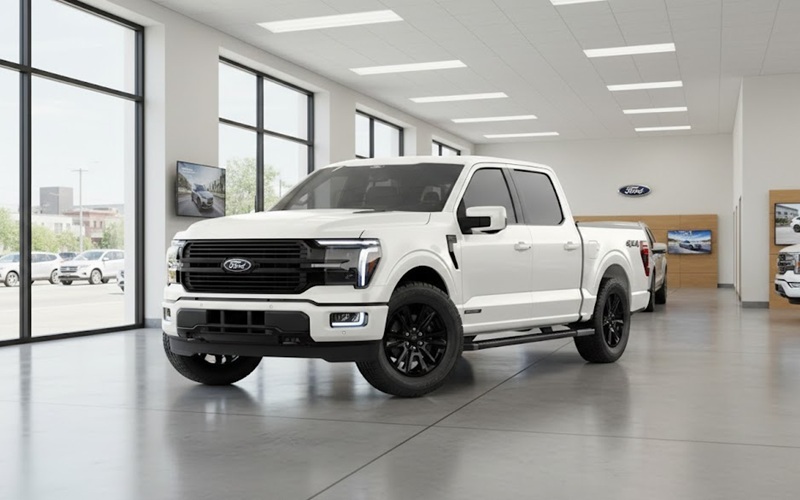
For many drivers, the decision between cab styles affects both passenger space and cargo flexibility. Payload ratings determine how much weight the truck can carry in the bed and cabin combined. At Team Ford, these specifications help buyers compare trim levels and select the configuration that suits their work or personal use.
Cab Options
The Ford F-150 offers three cab configurations:
Regular Cab
SuperCab
SuperCrew
Each configuration differs in seating capacity, interior space, and available bed lengths.
Regular Cab
The Regular Cab features two doors and a single row of seating.
Key Characteristics
Seating for up to three occupants
Front bench seat or available front bucket seats
Two full-size front doors
Rear cargo area behind seats inside the cab
The Regular Cab focuses on cargo capacity and work use. It is commonly paired with the 2.4 m bed. This configuration often provides the highest payload rating within the F-150 range when properly equipped.
Interior space suits drivers who do not require rear passenger seating. The shorter overall cab length allows more bed length within a similar total vehicle footprint.
SuperCab
The SuperCab adds a second row with rear access doors.
Key Characteristics
Seating for up to six occupants
Two full-size front doors
Two rear-hinged rear doors
Rear bench seat
Rear doors open after the front doors, which provides access to the second row. The rear seat offers space for passengers or interior cargo storage.
The SuperCab balances passenger capacity and bed length. It is typically available with a 2.0 m or 2.4 m bed, depending on trim and drivetrain.
This configuration suits drivers who need occasional rear seating without moving to the larger SuperCrew cab.
SuperCrew
The SuperCrew provides four full-size doors and the largest passenger area.
Key Characteristics
Seating for up to six occupants
Four full-size conventional doors
Full rear bench seat
Increased rear legroom compared to SuperCab
The SuperCrew focuses on passenger comfort and interior space. It is often selected for family use or crews that travel together to job sites.
Available bed lengths generally include 1.7 m and 2.0 m options. The shorter 1.7 m bed is common with this cab due to the overall vehicle length.
Rear legroom in the SuperCrew is greater than in the SuperCab, improving comfort on longer trips.
Bed Length Options
Cab configuration determines available bed lengths. For the Ford F-150, the common bed sizes include:
1.7 m
2.0 m
2.4 m
The 2.4 m bed is typically paired with the Regular Cab and selected SuperCab configurations. The 1.7 m bed is usually available with the SuperCrew. The 2.0 m bed can be matched with both SuperCab and SuperCrew in certain trims.
Bed length affects cargo volume and payload distribution. Longer beds allow larger items such as construction materials, equipment, or recreational gear.
Payload Capacity
Payload refers to the maximum weight the truck can carry in the bed and cabin combined. This includes:
Cargo in the bed
Occupants
Equipment and accessories
Trailer tongue weight
Payload capacity varies based on:
Cab configuration
Bed length
Engine selection
Drivetrain (4×2 or 4×4)
Axle ratio
Equipment packages
The Ford F-150 offers maximum payload ratings that can exceed 1,300 kg when properly equipped. Lower trims and certain engine combinations may provide lower ratings.
Regular Cab models with the 2.4 m bed and specific engine options typically achieve the highest payload figures. SuperCrew models, due to added cab weight and equipment, may have lower maximum payload ratings compared to similarly equipped Regular Cab versions.
Exact payload ratings appear on the driver-side door jamb label for each specific vehicle.
Engine Influence on Payload
The Ford F-150 offers multiple engine options. Engine choice directly affects payload due to differences in weight and axle configuration.
Available engines include:
2.7-litre EcoBoost V6
3.5-litre EcoBoost V6
5.0-litre V8
3.5-litre PowerBoost full hybrid V6
Lighter engine setups can allow higher payload ratings in certain configurations. Hybrid models, due to battery and system components, may have different payload figures compared to non-hybrid models.
Payload ratings depend on the full combination of engine, drivetrain, and cab style.
Drivetrain and Axle Configuration
The F-150 is available with rear-wheel drive (4×2) and four-wheel drive (4×4). Four-wheel drive systems add components such as a transfer case and a front differential, which increase the vehicle's overall weight.
This added weight can reduce maximum payload capacity compared to equivalent 4×2 models.
Axle ratio selection also influences payload. Certain axle ratios support higher gross vehicle weight ratings (GVWR), which can increase maximum payload figures when properly equipped.
Gross Vehicle Weight Rating (GVWR)
GVWR represents the maximum allowable total weight of the vehicle, including:
Curb weight
Occupants
Cargo
Fuel
Payload equals GVWR minus curb weight. A higher GVWR allows greater payload if the curb weight remains lower.
Regular Cab models often have favourable GVWR-to-curb-weight ratios, which explains their higher payload capacity in many cases.
Suspension and Frame
The Ford F-150 uses:
A fully boxed high-strength steel frame
An aluminum-alloy body
Rear leaf spring suspension
These components support load capacity and structural strength. Leaf springs in the rear provide stability under load and maintain ride height when cargo weight increases.
Certain packages may include upgraded rear springs to support higher payload ratings, depending on configuration.
Cab Choice and Work Use
Each cab configuration suits different types of work.
Regular Cab Use Case
Maximum bed length
Higher potential payload
Limited passenger space
SuperCab Use Case
Rear seating for small crews
Balance between bed length and passenger capacity
SuperCrew Use Case
Full-size rear seating
Crew transport
Shorter bed in many configurations
Work-focused buyers often compare payload figures first. Drivers who transport teams or family members may prioritize interior space over maximum bed capacity.
Payload and Bed Utility
Payload rating indicates total weight capacity, but bed size determines usable space.
For example:
A 2.4 m bed accommodates longer materials.
A 1.7 m bed may require tailgate support for long cargo.
Tie-down points and available bed features support load management. However, total weight must remain within the vehicle’s rated payload capacity.
Exceeding payload limits can affect braking, handling, and component wear.
Cab Dimensions and Interior Space
Cab size affects interior storage and passenger comfort.
Regular Cab: single row, compact interior
SuperCab: partial rear space
SuperCrew: full rear legroom
Rear seat space in the SuperCrew allows adult passengers to travel comfortably. SuperCab rear space is ideal for shorter trips or additional storage.
Interior dimensions vary by configuration, but all models maintain similar dashboard layout and front seating structure.
2026 Ford F-150 Configuration Summary
The Ford F-150 provides:
Three cab options
Three common bed lengths
Multiple engine choices
Rear-wheel or four-wheel drive
Payload ratings exceeding 1,300 kg in certain configurations
Cab selection directly affects payload, interior space, and bed length. Regular Cab versions often deliver the highest payload ratings. SuperCrew versions offer the largest passenger space.
Questions and Answers
How many cab configurations does the 2026 Ford F-150 offer?
It offers three cab configurations: Regular Cab, SuperCab, and SuperCrew.
Which cab configuration typically provides the highest payload rating?
Regular Cab models with the 2.4 m bed and specific engine options typically provide the highest payload ratings.
What are the available bed lengths for the 2026 Ford F-150?
Common bed lengths include 1.7 m, 2.0 m, and 2.4 m.
Does drivetrain choice affect payload capacity?
Yes. Four-wheel drive models may have lower payload ratings than equivalent rear-wheel drive models due to additional system weight.
What factors determine the exact payload rating of a specific truck?
Payload depends on cab configuration, bed length, engine choice, drivetrain, axle ratio, and equipment packages.
*Disclaimer: Content contained in this post is for informational purposes only and may include features and options from US or internacional models. Please contact the dealership for more information or to confirm vehicle, feature availability.*


